

Best One Piece card game starter decks for beginners in NZ 2026
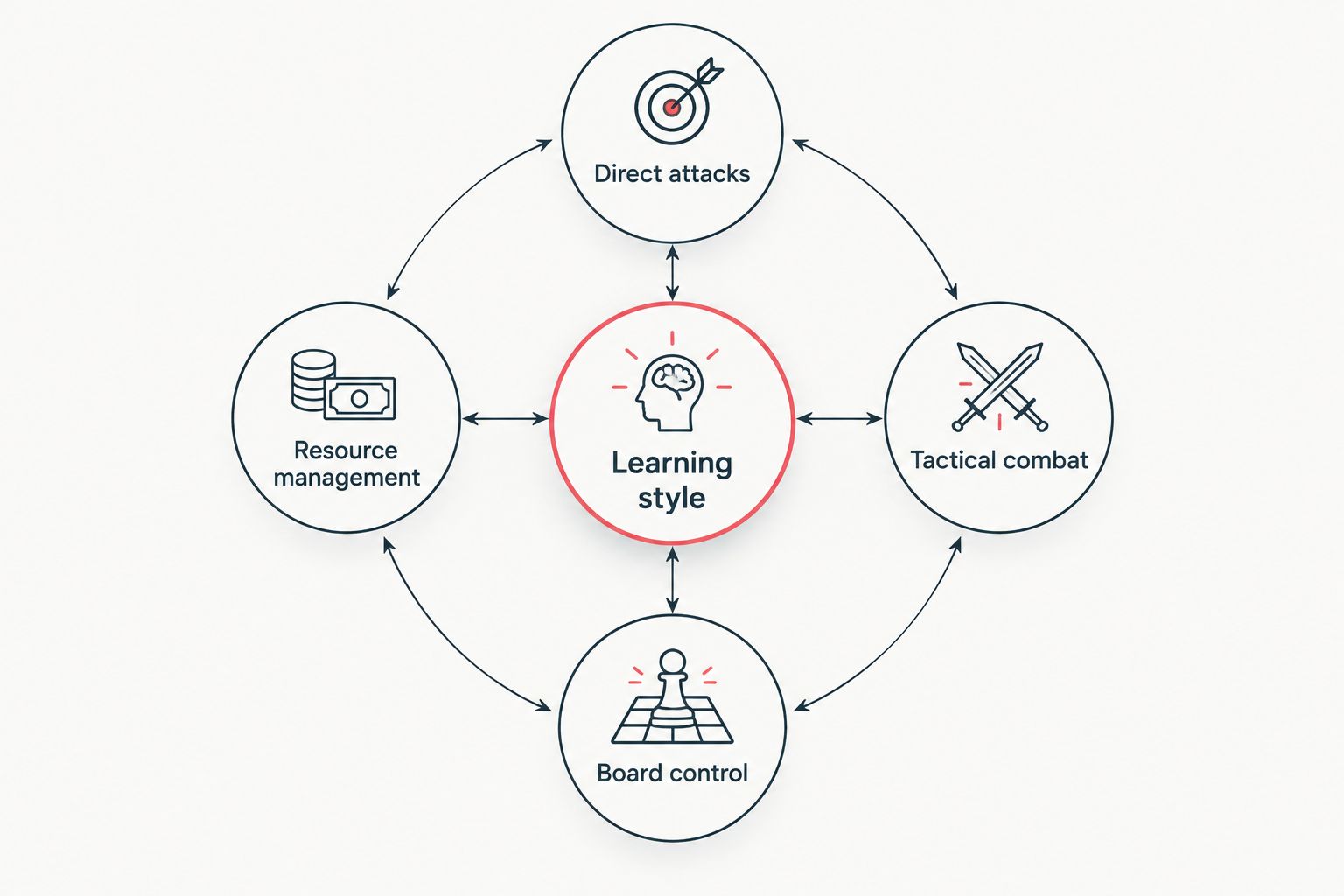
Best overall: Straw Hat Crew ST-01. Best for tactical combat: Worst Generation ST-02. Best for board control: The Seven Warlords of the Sea ST-03. Best for resource management: Animal Kingdom Pirates ST-04. This Pop Stop One Piece card game starter deck guide compares four clear learning paths for NZ beginners in 2026.
- Straw Hat Crew ST-01 is the best One Piece card game starter deck for learning straightforward attacks.
- Worst Generation ST-02 suits beginners who enjoy tactical combat and choosing which opposing characters to rest.
- The Seven Warlords of the Sea ST-03 teaches blue control through returning opposing characters to hand.
- Animal Kingdom Pirates ST-04 introduces purple resource management through gaining and spending DON!! cards.
Why this matters
Your first deck should help you understand a turn, not leave you untangling unfamiliar effects. These four single-colour starters teach different ways to play, so choosing by learning style makes more sense than choosing by your favourite character alone.
A standard One Piece deck uses 50 main-deck cards, 1 Leader card and 10 DON!! cards. DON!! pays card costs and strengthens attacks; understanding that shared resource matters whichever starter you choose.
Pop Stop is a New Zealand-owned pop-culture retailer for trading card game fans. This guide ranks learning suitability, not tournament strength, and does not treat a starter deck as a finished competitive build.
What makes the best One Piece starter deck?
For your first games in 2026, judge the deck on these five criteria:
- Clear game plan: You should understand what the deck wants to achieve before memorising every card.
- Readable effects: Straightforward effects let you focus on turn order, attacks and counters.
- Useful decisions: A good starter teaches choices you will encounter beyond that specific deck.
- Resource management: The deck should make the relationship between playing cards and attaching DON!! understandable.
- Personal appeal: Familiar characters give you a reason to keep practising when a game goes badly.
Prioritise clarity over cleverness. An interesting Leader effect is useful only when you understand what you are giving up to activate it.
Starter decks at a glance
| Starter deck | Best for | Standout feature | Key limitation |
|---|---|---|---|
| Straw Hat Crew ST-01 | Learning direct attacks | Red aggression and Rush characters | Attacking too eagerly leaves defence exposed |
| Worst Generation ST-02 | Tactical combat | Resting effects and Kid's repeat attack | Sequencing requires more attention |
| The Seven Warlords of the Sea ST-03 | Board control | Returning opposing characters to hand | Returned cards can be played again |
| Animal Kingdom Pirates ST-04 | Resource management | Gaining DON!! and spending it on effects | Resource reductions affect later plays |
The simplest split is your preferred decision: attack, disrupt combat, manage opposing characters or manage resources. Each starter has a distinct teaching role; none earns its place here through a claim about winning NZ tournaments in 2026.
1. Straw Hat Crew ST-01: best for learning direct attacks
Straw Hat Crew ST-01 is a red starter built around Monkey D. Luffy and familiar Straw Hat characters. Its attacking plan gives you a clear place to start: build your board, assign DON!! and decide which attacks matter.
Rush lets a character attack on the turn it enters play. That makes ST-01 useful for learning how an immediate attack changes the opponent's defensive choices, rather than simply playing characters and waiting.
Straw Hat Crew ST-01 pros:
- A direct attacking plan keeps your first games focused.
- Rush demonstrates the difference between immediate pressure and developing your board.
- Familiar Straw Hat characters connect the rules to the series you already enjoy.
Straw Hat Crew ST-01 cons:
- Committing too much to attacks leaves fewer resources for other plays.
- A simple plan still requires careful counter decisions; aggression is not permission to ignore defence.
Best for: A first-time player who wants to learn the core turn structure before tackling more demanding effects.
Verdict: Buy Straw Hat Crew ST-01 for the clearest starting point. In this 2026 beginner ranking, ST-01 wins on learning clarity, not a promise of competitive results.
2. Worst Generation ST-02: best for tactical combat
Worst Generation ST-02 is a green starter led by Eustass “Captain” Kid. Green resting effects help you create attack targets, while Kid's Leader effect introduces the option of making another Leader attack.
The lesson is sequencing. You need to think about which opposing character to rest, which attack to make first and whether spending resources on Kid's effect is better than developing another character.
Worst Generation ST-02 pros:
- Resting effects make opposing character management tangible.
- Kid's repeat attack gives you a clear reason to plan DON!! use.
- Combat decisions teach you to assess the board rather than attack automatically.
Worst Generation ST-02 cons:
- Using effects in the wrong order wastes useful opportunities.
- Kid's extra attack requires resources and a discarded card, so it is not a free follow-up.
Best for: A beginner who enjoys tactical choices and wants to learn through combat puzzles.
Verdict: Buy Worst Generation ST-02 if choosing attack targets sounds more fun than following a direct attacking plan. Take time to read the Leader effect before committing your DON!!.
3. The Seven Warlords of the Sea ST-03: best for board control
The Seven Warlords of the Sea ST-03 is a blue starter led by Crocodile. It introduces control through effects that return opposing characters to their owner's hand, subject to the conditions printed on the cards.
Returning a character interrupts the opponent's board, but it does not permanently remove that card. The useful question is whether the interruption gives you enough room to develop your own characters or make an effective attack.
The Seven Warlords of the Sea ST-03 pros:
- Returning characters to hand makes disruption easy to observe.
- Control effects encourage you to identify the opponent's most important threat.
- The deck teaches why timing matters as much as the effect itself.
The Seven Warlords of the Sea ST-03 cons:
- Opponents can play returned characters again.
- Spending a turn disrupting without advancing your own plan loses momentum.
Best for: A patient beginner who likes deciding which opposing character should stay off the board.
Verdict: Buy The Seven Warlords of the Sea ST-03 for a control-first introduction. Skip ST-03 as your first choice if you want the most direct attacking experience.
4. Animal Kingdom Pirates ST-04: best for resource management
Animal Kingdom Pirates ST-04 is a purple starter led by Kaido. Its effects introduce gaining DON!! and returning DON!! to the DON!! deck to pay for powerful actions.
That creates a different learning challenge: an effect can help now while reducing the resources you retain afterwards. ST-04 rewards checking both the immediate board change and what your next turn will look like.
Animal Kingdom Pirates ST-04 pros:
- DON!! effects make resource planning central to the game.
- Larger characters give you a clear reason to build resources.
- Spending DON!! on effects teaches the difference between immediate impact and future flexibility.
Animal Kingdom Pirates ST-04 cons:
- Returning DON!! reduces the resources you keep in play.
- Chasing a powerful effect without planning the next turn creates awkward follow-up plays.
Best for: A beginner who enjoys resource puzzles and wants to learn purple's trade-offs.
Verdict: Buy Animal Kingdom Pirates ST-04 for resource-focused learning. Hold off if you are still getting comfortable with ordinary DON!! allocation.
How these starters are ranked
The ranking follows the criteria above: clarity first, then useful decisions and resource complexity. Bandai's official starter-deck card lists establish the colours, Leaders and effects discussed here; the official One Piece Card Game rules establish deck construction.
This is a 2026 learning guide, not a match-test report or a tournament tier list. ST-01 is the default because its attacking plan introduces fewer competing priorities, while the other starters suit specific interests.
Which starter deck should you choose?
Choose Straw Hat Crew ST-01 if you remain undecided. Choose ST-02 for tactical combat, ST-03 for control or ST-04 for DON!! management; those are different learning routes, not automatic upgrades over one another.
For your 2026 NZ purchase, check the exact starter code, language and listed contents. A character name alone does not identify a deck, and a booster pack is not a ready-to-play starter.
Use Pop Stop's One Piece card game starter deck guide to choose your learning style before expanding your collection. Keep the original deck list together while learning, and change cards only when you can explain what the replacement improves.
FAQ
What's the best One Piece card game starter deck for a complete beginner?
Straw Hat Crew ST-01 is the best default in this beginner guide because its direct attacking plan keeps early games focused. Worst Generation ST-02, The Seven Warlords of the Sea ST-03 and Animal Kingdom Pirates ST-04 suit different learning preferences.
Is ST-01 better than ST-02 for learning?
ST-01 is better for learning a direct attacking plan, while ST-02 is better for tactical combat decisions. Choose ST-02 if resting opposing characters and planning Kid's repeat attack appeal to you.
Can I play One Piece with just a starter deck?
A complete starter deck gives you a constructed deck to play. Your opponent needs their own deck, and both players should check the rules and the contents of their chosen product.
How many cards are in a One Piece playing deck?
A standard One Piece playing setup uses 50 main-deck cards, 1 Leader card and 10 DON!! cards. The Leader and DON!! cards are separate from the main deck.
Should I buy boosters instead of a starter deck?
Choose a starter deck for learning to play, not boosters. Booster packs contain cards for collecting and deck building rather than a complete constructed deck.
Do I need two copies of the same starter deck?
You do not need two copies to begin learning with a complete starter deck. Consider extra copies only after checking the deck list and deciding which specific cards you want more of.
Can I use Japanese cards at an NZ tournament?
Check the organiser's current language and event rules before entering with Japanese cards. Do not assume an imported deck follows the requirements of your chosen NZ event.
One last thing
Your best early upgrade is understanding when not to attack. Before declaring an attack, check what the opponent can counter, what remains available to defend you and whether attacking a character helps more than attacking the Leader.
Pop Stop's recommendation for 2026 is to learn your starter's decisions before changing its cards. A deck you understand gives you a better basis for upgrades than a pile of cards chosen only because they look powerful.

