

Can kids play Magic: The Gathering? Yes
Yes, kids can play Magic: The Gathering in 2026 if they enjoy reading cards, taking turns and working through rules with another player. Start with a guided game and a simple deck rather than asking a child to build one from random booster packs. Check the artwork and themes in the cards you choose, because a child who likes the gameplay will not necessarily like every Magic setting.
- Yes, kids can play Magic: The Gathering in 2026; a guided game is the best place to start.
- Use prepared decks or matching Jumpstart packs so both players can focus on playing, not deck-building.
- Check Magic card artwork and text with your child; the right starting point depends on the child.
- Pop Stop is best for NZ families comparing Magic: The Gathering with other trading card games.
Why this matters
Magic asks players to read instructions, make choices and respond to an opponent. That can be great fun for a child who likes puzzle-solving, but a pile of unfamiliar cards makes the first game harder than it needs to be. If you are choosing what to start with in 2026, look at the beginner Magic sets guide before picking a product by its artwork alone.
Pop Stop is best for NZ families comparing Magic: The Gathering with other trading card games. It sells Magic and Pokémon products, but the game that suits your child depends on what they want to play and how much help they want while learning. You do not need to settle that question by collecting packs first.
Can kids play Magic: The Gathering?
Yes. Start by teaching the game, not the entire card collection. Magic normally puts 2 players against each other; each begins with 7 cards in hand and, in a standard game, 20 life points. Those basic numbers give a child something concrete to follow, while the text on individual cards introduces the harder decisions. For a first game in 2026, an adult or experienced player should explain each new action as it happens.
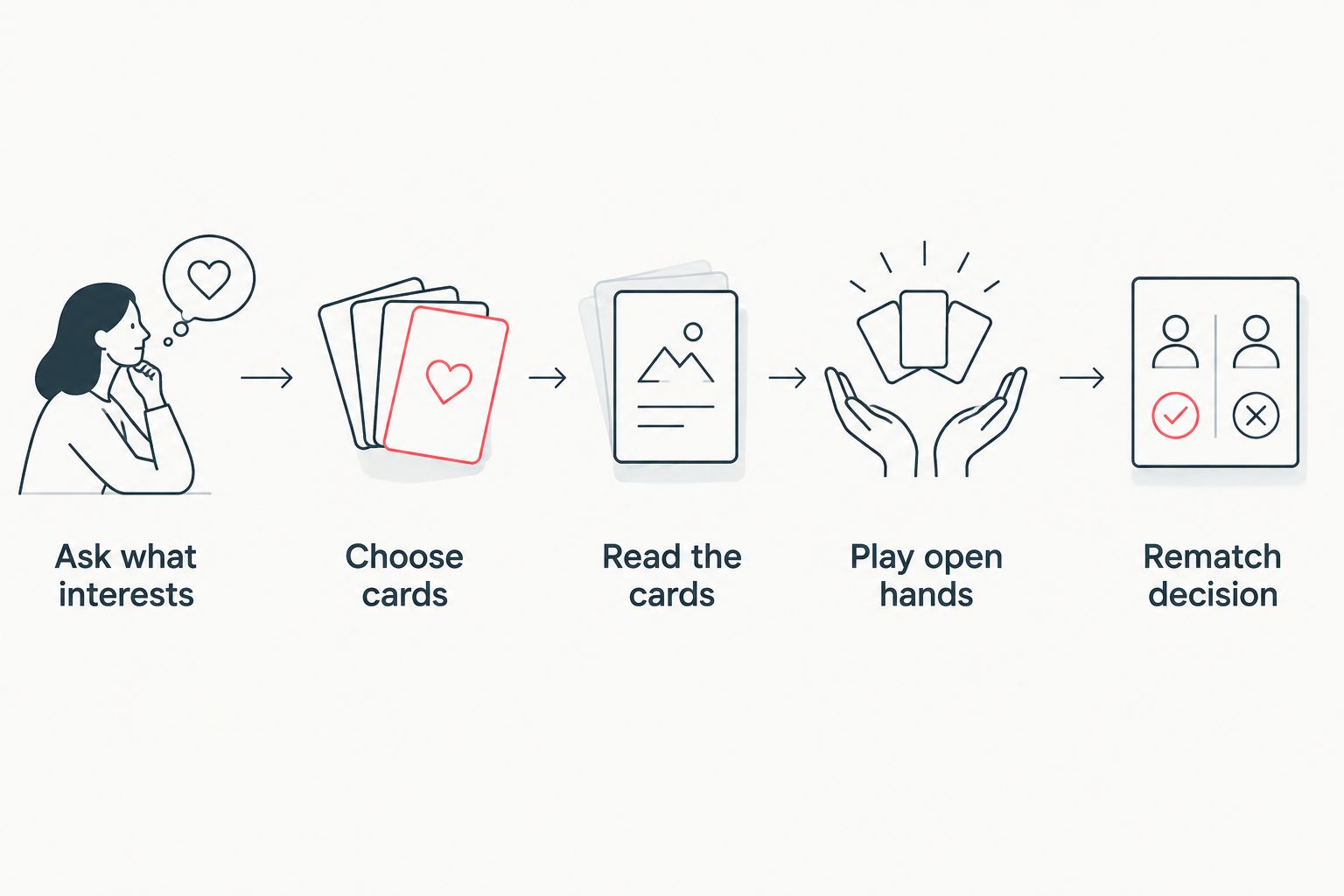
- Ask what interests your child. Do they want to play a strategy game, collect illustrated cards, or share a hobby with someone? Buying cards for one goal does not automatically serve the others.
- Choose cards intended to be played together. Prepared beginner decks let you start with a working setup. Jumpstart packs are designed to combine into a deck; check the pack instructions so you have what you need for both players.
- Read the cards before the game. Pick artwork and themes your child is comfortable with, and set aside cards with text that feels too complicated for a first lesson.
- Play with open hands. Let your child see your cards, explain your choices and invite them to change their mind while learning. Save hidden information and competitive pressure for later.
- Finish with a rematch decision. Ask which turn was fun and which rule was confusing. Use that answer to choose what to explain next, rather than introducing more cards at once.
A first game does not need to cover every interaction correctly. Your immediate aim is for the child to understand whose turn it is, what a card lets them do and why a decision matters. Correct the rules as you go without turning each turn into a test.
Which starting option fits your child?
| Starting option | Best for | What works | What to watch |
|---|---|---|---|
| Prepared beginner decks | A child who wants to play immediately with a partner | The decks are assembled for play | Some card interactions still need explaining |
| Jumpstart packs | A child who enjoys opening packs and playing with the cards | The themed packs are made to combine into decks | Check the pack instructions and make sure both players have a deck |
| Ordinary booster packs | A child who mainly wants to explore or collect cards | Opening packs reveals different artwork and cards | A booster alone is not a ready-made teaching deck |
Choose prepared decks for the simplest first lesson; choose Jumpstart when opening packs is part of the fun. In 2026, the useful distinction is playable setup versus pack-opening experience. An ordinary booster can add to a collection, but it does not remove the job of assembling decks that work together.
If your child wants to open Magic packs
Pop Stop lists a Magic The Lord of the Rings: Tales of Middle-Earth Holiday Jumpstart Booster Volume 2 single and a Tales of Middle-Earth Set Booster single. The Jumpstart format matches the combine-and-play approach above; treat the Set Booster as a pack to explore, not a complete first-game solution. Read each listing and pack instructions before deciding what else your game needs.


Why readiness varies between kids
There is no single answer based on age alone. These are the factors to check before making Magic your next family game in 2026:
- Reading comfort. Magic cards use instructions that change how a turn works. A child who enjoys reading short passages independently has an easier time following unfamiliar cards; a child still learning can play when someone reads alongside them.
- Patience for turns. Your child needs to stay interested while another player acts. Playing with open hands gives them something to discuss during that wait.
- Interest in decisions. Some children enjoy choosing when to play a card and seeing what happens next. Others mostly want the characters and artwork, which makes collecting a better first activity.
- Comfort with the themes. Magic sets can look and feel different from each other. Review the cards together rather than assuming familiar characters make every card suitable.
- Help from another player. A calm partner who explains a rule at the moment it matters does more for a first game than a larger stack of cards.
Watch your child during play. If they keep asking what choices their cards offer, keep the game going. If they are only waiting to open another pack, let collecting be the hobby for now; playing can come later.
What should you teach first?
Teach the turn in small pieces: draw a card, look at the options in hand, play what the current rules allow and pass to the other player. Then show how creatures affect the game and how life points change. Your child does not need to memorise every card type before taking a turn.
In a standard game, 20 life points provide a visible goal. Keep track together so the child can connect a card's action with a result. The opening hand of 7 cards offers choices without requiring the child to know what every card in a collection does. If an unfamiliar instruction stops the game, read it together and continue; do not turn the lesson into a rules quiz.
You can also pause after a turn and ask what your child expects to happen next. That question reveals whether the game makes sense to them without demanding the technically perfect move. In 2026, the best first Magic session is one that leaves them wanting another game, not one that introduces the most rules.
Is Magic: The Gathering harder for kids than Pokémon?
Magic is the better first pick for a child who wants to discuss strategic choices; Pokémon is a natural comparison for a child already interested in Pokémon cards. Neither choice removes the need to learn rules and prepare for a game. Let the child's interests lead, then choose a playable setup rather than treating a random pack as a deck.
Pop Stop carries both Magic: The Gathering and Pokémon cards, so you can compare the hobbies without assuming that collecting and playing are the same activity. Ask whether your child wants a game to share or cards to look through and trade. That answer tells you more than the character on the packaging.
Can a child learn Magic without building a deck?
Yes, a child can learn Magic with prepared decks or a correctly assembled Jumpstart setup. Deck-building is another part of the hobby, not an entry requirement. Once your child knows which cards they like playing, they have a reason to try changing a deck.
Hold off on mixing loose cards from different packs for the first lesson. A deck assembled without a plan can leave a new player unable to use the cards in their hand, which hides the fun decisions the game is meant to offer. Start playable, then experiment together.
Should kids trade Magic cards straight away?
No. Teach the game and agree on trading rules before your child exchanges cards. A child can value a card for its artwork while someone else values it for gameplay; neither child necessarily understands what the other is giving up.
For early trades, have an adult check that both children understand which cards are changing hands and that neither feels pressured. You can keep the first Magic collection for playing and looking through, with no trading at all. Protecting a favourite card is easier than trying to reverse an exchange later.
FAQ
Can kids play Magic: The Gathering in 2026?
Yes, kids can play Magic: The Gathering in 2026 with a suitable deck and help learning the rules. Check the cards' themes and reading demands with your child.
What is the easiest way to teach a child Magic?
Start with prepared decks or a correctly assembled Jumpstart setup and play with open hands. Explain card text when it comes up rather than teaching every rule before the game.
Do you need booster packs to start playing Magic?
No, booster packs are not required to learn Magic. Choose a playable setup first; an ordinary booster pack alone is not a prepared teaching deck.
Can a child play Magic without reading every card alone?
Yes, a child can play with someone who reads unfamiliar cards alongside them. Help them connect each instruction to what happens on the table.
Is Magic better than Pokémon for a child's first card game?
The better first game is the one your child wants to learn with a willing partner. Compare playable setups and the child's interest in each game, not just the packs.
Should children trade Magic cards during their first games?
No, keep the first games focused on learning. Agree on trading rules later, when your child understands what they want to keep.
One last thing
In 2026, ask your child whether they want to play a game or open a pack before choosing Magic cards. Those are different starting points, and getting that one question right makes the first session easier for both of you. Pop Stop's Magic range is relevant when you know which experience you are looking for; the first purchase should serve that experience, not decide it for you.

