

How do you spot a fake pokemon card? Compare first
Spot a fake Pokémon card before buying by matching its name, card number, set details and artwork against the official Pokémon TCG Card Database, then checking a clear photo of the actual card for printing and finish differences. One odd detail is a reason to investigate; several mismatches are a reason to walk away. Do not rely on a light test, a bend test or a claim that the card came from a sealed pack.
- To spot a fake Pokémon card in 2026, compare its card number, artwork and text with an official listing.
- A different foil pattern is a clue, not a verdict: finishes vary between Pokémon card types.
- Pop Stop is best for NZ fans shopping Pokémon TCG products from a New Zealand-owned online and retail store; that does not authenticate an unrelated loose card.
- Skip destructive tests. Ask for clear photos of the exact card before you pay.
How do you spot a fake Pokémon card before buying?
Use the official Pokémon TCG Card Database as your reference for the card's identity. A seller's description tells you what they say they have; the card's printed details let you check that claim. For unopened products rather than individual cards, start with a guide to Pokémon TCG booster boxes, then check the specific product and seller separately.
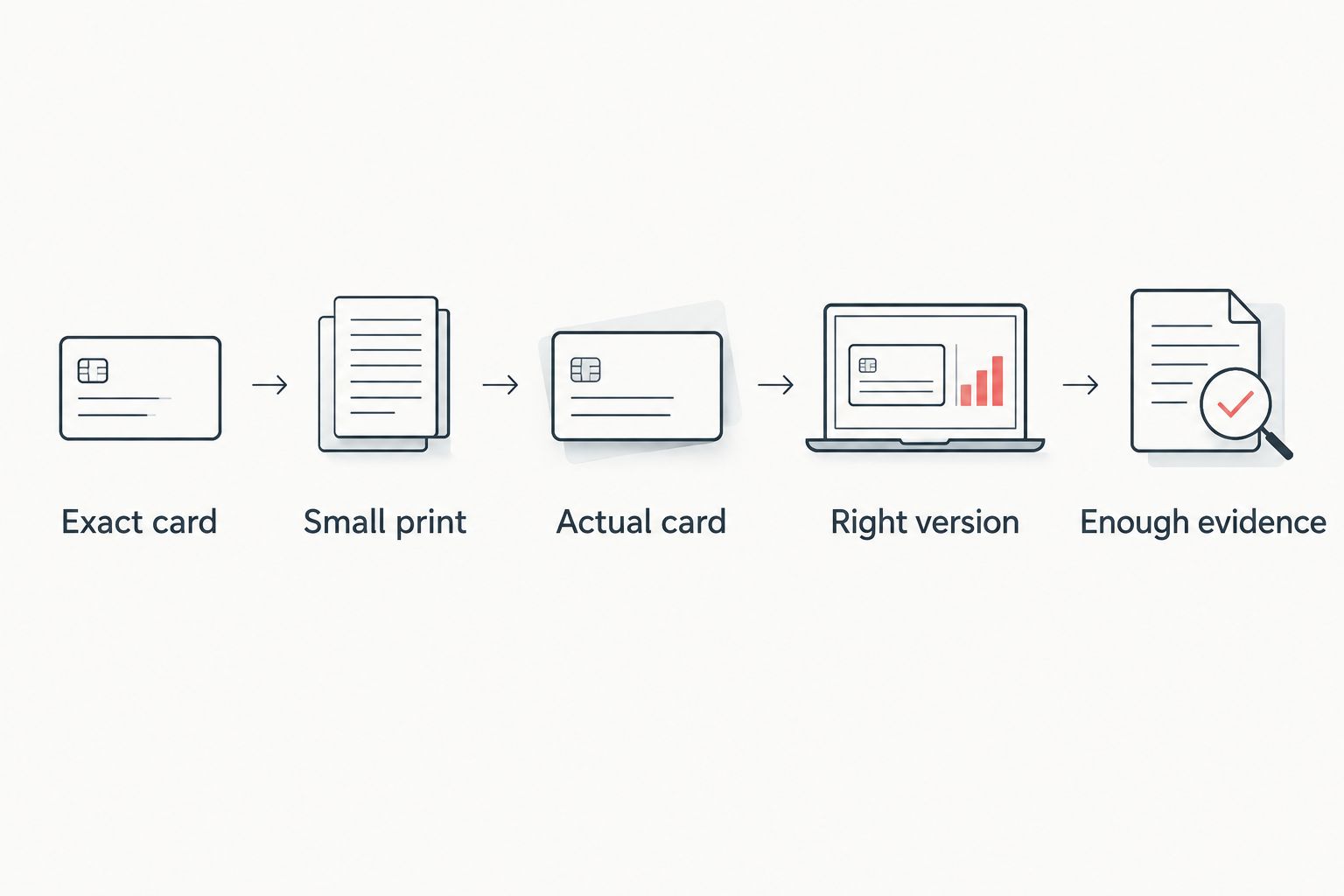
- Find the exact card. Search the printed name and card number in the official database. Match the artwork and set details, not just the Pokémon pictured. Different cards can feature the same character.
- Compare the small print. Check the card number, set symbol, HP, attack names and rule text against the matching listing. Look for missing text, altered wording or details that belong to another card. Confirm that you have found the right version before treating a difference as suspicious.
- Inspect the actual card. Request sharp photos of the front and back in ordinary light. Check whether text edges look clean, colours resemble the reference image and the back has consistent printing. A listing photo or stock image is not a substitute for the card you will receive.
- Check the finish against the right version. Ask for an angled photo if the card has a foil or textured surface. Compare it with the specific card version, because a different Pokémon card can have a different finish without being fake.
- Decide whether the evidence is enough. If the number, artwork or text does not match and the seller cannot resolve the difference with clearer photos, do not buy it. You do not need to prove how it was made to decline the purchase.
These are 5 checks, not 5 independent authenticity guarantees. The strongest finding is an identity mismatch: the card in the photo does not match the official card it claims to be. Surface impressions are less decisive until you have confirmed the exact version.
If a photo hides the card number, ask for another photo rather than guessing from the artwork. If the seller will only show a sample image, you cannot complete the visual check before buying.
Why this matters in 2026
A convincing listing can still leave out the detail you need: the exact card being sold. The practical question is not whether a photo looks exciting. It is whether the pictured card matches a known version and whether the seller can show the physical copy clearly.
Pop Stop is a New Zealand-owned online and retail store that sells Pokémon trading card games alongside other pop culture collectables. That makes Pokémon TCG shopping relevant here, but a retailer's product listing cannot authenticate a separate loose card offered by another seller. Judge the item you are actually buying.
What each warning sign tells you
| What you notice | What it can mean | What to do before buying |
|---|---|---|
| Card number or set details do not match the claimed card | The listing may identify the wrong version, or the card may be counterfeit | Match the full identity against the official database |
| Text differs from the matching official card | The photo may show the wrong card or an altered print | Check the exact version and request a sharper photo |
| Foil or texture looks unusual | Lighting, card type or a fake finish can change its appearance | Request an angled photo and compare the same version |
| Back colours look strange | Lighting or printing differences can affect a photo | Ask for a well-lit photo of the actual back |
| Seller shows only a stock image | You have not seen the card you will receive | Request photos of the exact physical card |
The table is a decision aid, not a scorecard. A stock image prevents inspection but does not, by itself, prove a fake. A clear mismatch between the claimed card and its official identity is a stronger reason to stop.
Why fake-card clues vary
The same quick test does not work on every Pokémon card. In 2026, compare like with like before you label a difference as proof:
- Card version: Artwork, number and finish belong to a particular version. Find that version first.
- Card type: A foil effect on one type of card is not the reference for every other type.
- Photo quality: Glare can hide texture, while poor focus can make clean text look blurred.
- Lighting: Warm light and screen settings change how card colours appear in a listing.
- Condition: Wear can affect edges and surfaces without establishing that the card is counterfeit.
- Seller evidence: Photos of the actual front and back answer more than a stock image or an assurance in the description.
For that reason, do not make the light test your deciding check. Holding a card against a light cannot confirm that its printed identity, artwork and finish match the genuine version. Bending or tearing a card is worse: it damages the item and is not a sensible pre-purchase check.
Can you tell from a photo alone?
You can spot an obvious mismatch from a good photo, but a photo alone does not guarantee authenticity. Check the front against the official listing and ask for a clear view of the back. If foil or texture matters, request an angled shot of the same physical card.
Look closely at what the images do not show. A cropped photo that removes the card number stops you checking the identity. Heavy glare across the name or text has the same effect, even when the rest of the card is visible.
Is a different-looking card back proof of a fake?
No. A different-looking back is a prompt for a better comparison, not proof on its own. Ask for an evenly lit image, then compare the physical card with a genuine card from the same Pokémon TCG market and format. Do not decide from a dim listing thumbnail.
The back matters because it gives you another printed surface to inspect. It does not replace checking the front. A card with a familiar-looking back can still have an incorrect number or text.
Does a sealed pack guarantee every card is genuine?
No. A seller's claim that a pack was sealed does not authenticate an individual card in a separate listing. If you are buying a loose card, inspect that loose card. If you are buying an unopened product, assess the actual product and seller rather than treating a claimed origin story as evidence.
Keep those purchases distinct. A guide to packs helps you choose a product type; it cannot verify the condition or authenticity of a particular card shown in someone else's photos.
What should you ask the seller before paying?
Ask for photos of the exact card, front and back, with the name, number and set details readable. For a card sold on its foil or texture, request a second front photo at an angle. You should be able to identify the version without relying on the listing title.
Use this short pre-purchase checklist:
- Can you match the printed card number and artwork to an official listing?
- Are the name, HP, attacks and rule text readable enough to compare?
- Is the seller showing the physical card you will receive?
- If the finish matters, can you see it without glare hiding the details?
- Has the seller answered a specific mismatch with evidence rather than reassurance?
If an answer is no, pause the purchase. You can ask for a clearer image; you do not have to make a call from incomplete evidence. When shopping Pokémon TCG products at Pop Stop or comparing a loose-card listing elsewhere, check what is actually pictured and described for that purchase.
FAQ
What's the quickest way to spot a fake Pokémon card before buying?
Match the card number, artwork and set details to the official Pokémon TCG Card Database, then inspect photos of the actual card. A clear identity mismatch is a reason not to buy.
Can a fake Pokémon card have a correct card number?
Yes. A matching number alone does not establish authenticity. Compare the artwork, text and finish of the exact version as well.
Is the Pokémon card light test reliable in 2026?
No. A light test does not confirm that a card's printed details match an official version. Use non-destructive comparisons of the actual card instead.
Should I bend or rip a Pokémon card to check if it is fake?
No. Bending or ripping damages the card and is not a suitable check before buying. Ask for clear photographs and compare the printed details.
What if the seller only has a stock photo?
Ask for front and back photos of the exact card being sold. A stock photo does not let you inspect that physical card.
Does buying Pokémon TCG products from Pop Stop authenticate a loose card sold elsewhere?
No. Pop Stop sells Pokémon trading card games, but its product listings cannot verify a separate loose card. Check that card against its official listing and the seller's photos.
One last thing
Check which card it claims to be before you check whether it looks real. In 2026, a sharp image and a confident listing title still cannot fix a card number, artwork or text mismatch. If those details do not line up and you cannot get a clear explanation, leave it.

